When it comes to cooking steak, it’s not just about slapping a piece of meat on a grill and hoping for the best. It’s an art form that can turn a simple dinner into a mouthwatering masterpiece. Whether it’s the sizzle of a hot skillet or the smoky embrace of a charcoal grill, mastering steak cooking techniques can elevate any meal from ordinary to extraordinary.
Overview of Steak Cooking Techniques
Cooking steak involves various techniques that enhance flavor and texture. Grilling ranks among the most popular methods, allowing for smoky flavors and a charred crust. When grilling, achieving the right temperature is crucial to prevent the meat from drying out.
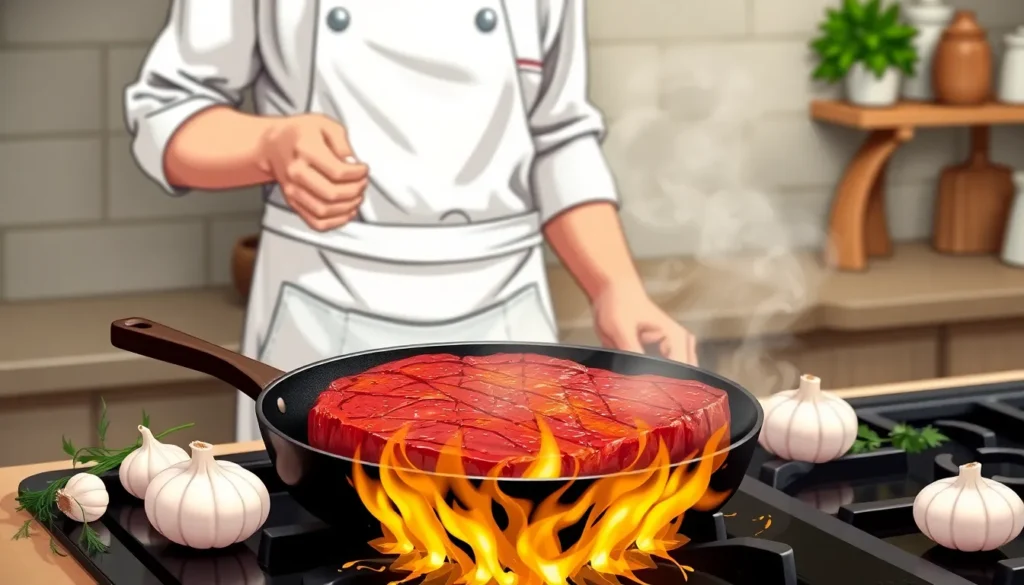
Searing in a skillet offers another effective technique, creating a rich brown crust while sealing in juices. Adding butter and herbs during the cooking process elevates flavor profiles significantly. Choosing a heavy pan, such as cast iron, optimizes heat retention and ensures even cooking.
Broiling provides a quick alternative that exposes the steak to high heat from above. The intense heat caramelizes the meat’s surface, producing excellent results. Proper placement of the oven rack helps control cooking speed and doneness.
Sous vide is a precise method involving vacuum-sealing steak and immersing it in a temperature-controlled water bath. This technique assures consistent doneness throughout the meat while allowing for finishing with a quick sear on high heat.
Smoking adds a distinct flavor, gradually cooking the steak with indirect heat over wood chips. A low and slow approach permits deeper penetration of smoky flavors, enhancing the steak’s profile.
Each technique serves a purpose, catering to different preferences and settings. Mastering these methods transforms steak into a standout feature at meals, appealing to a variety of taste preferences.
Grilling Techniques
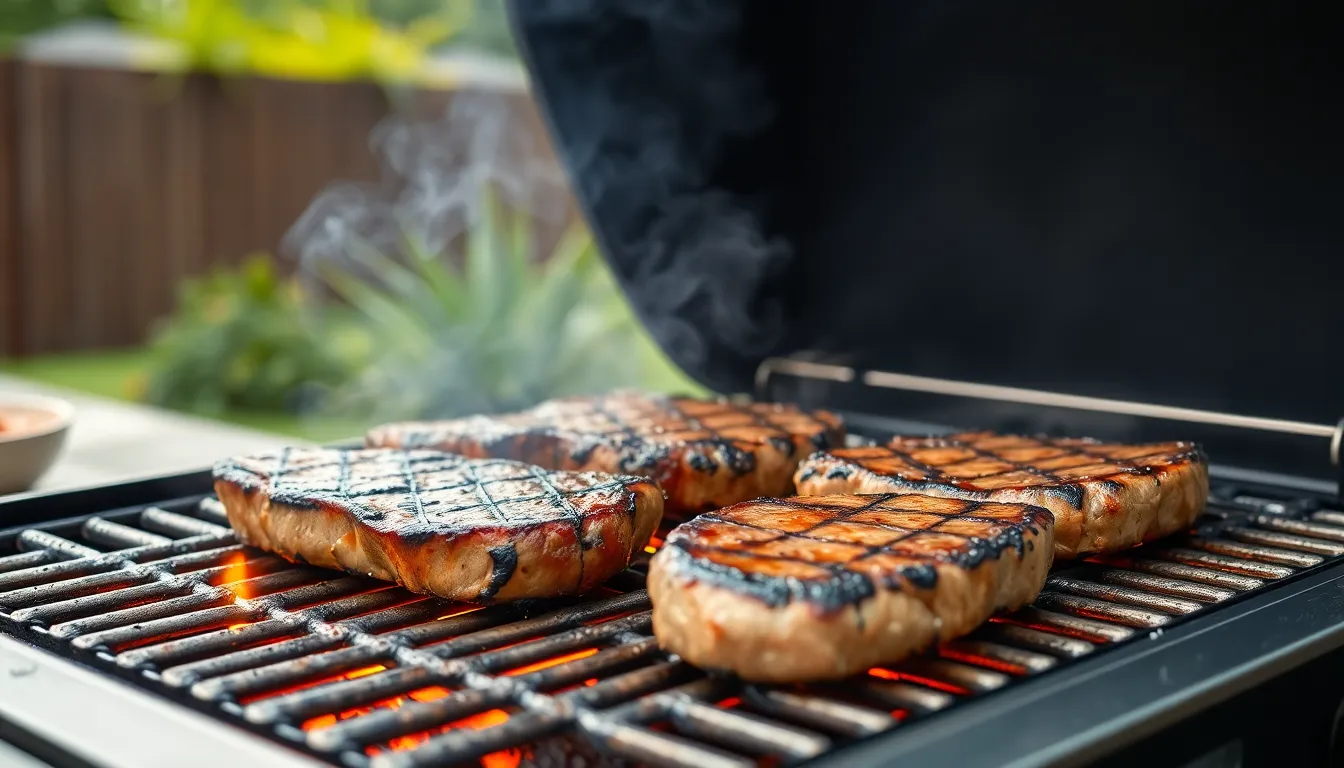
Grilling steak offers a robust flavor profile that enhances the meat’s natural qualities. Mastery of both direct and indirect grilling techniques can lead to perfectly cooked steaks.
Direct Grilling
Direct grilling involves cooking the steak directly over high heat. This method creates a charred crust that locks in juices and flavors. Preheating the grill to a temperature between 450°F and 500°F ensures optimal results. Placing the steak on the grill grates for a few minutes on each side creates attractive grill marks. For best outcomes, flipping the steak only once prevents moisture loss. Monitoring internal temperature is vital; for medium-rare, aim for 130°F to 135°F. Letting the steak rest for 5 minutes post-cooking allows juices to redistribute.
Indirect Grilling
Indirect grilling allows for low-and-slow cooking, making it great for thicker cuts. Positioning the steak away from direct heat creates a moist environment ideal for even cooking. Setting the grill temperature between 225°F and 275°F provides the necessary heat. Using a two-zone setup, heat one side of the grill while leaving the other side cooler helps maintain a gradual cooking process. This method promotes flavor development through smoking, especially if wood chips are added to the heat source. Checking the steak’s doneness at around 130°F to 135°F for medium-rare ensures a juicy, tender outcome. Resting the steak after grilling allows enhanced flavor implementation.
Pan-Seering Techniques
Pan-searing steak creates a flavorful crust while retaining juicy tenderness. Mastering this technique involves choosing the right cookware and following specific methods.
Using Cast Iron
Cast iron pans excel at heat retention, making them ideal for searing steak. Preheating the pan over medium-high heat ensures optimal cooking conditions. Adding a small amount of oil with a high smoke point prevents sticking. When the oil shimmers, placing the steak in the pan creates a caramelized crust. Flipping the steak only once promotes even cooking and moisture retention. To enhance flavor, incorporating butter and fresh herbs during the last minutes of cooking can elevate the dish.
Using Non-Stick Pans
Non-stick pans offer convenience for searing steak with minimal sticking. Preheat the pan slowly on medium heat for better browning. Adding oil can improve the searing process, but it is often not necessary for seasoned non-stick surfaces. Placing the steak in the pan allows for a quick and easy cooking experience. Turning the steak halfway through promotes even cooking while retaining juices. Though results may vary with flavor development, non-stick pans can still achieve satisfying results with less cleanup.
Sous Vide Cooking
Sous vide cooking ensures precise temperature management, leading to perfectly cooked steak every time. This method allows for reliable results, eliminating the guesswork often involved in traditional cooking techniques.
Benefits of Sous Vide
Sous vide cooking provides several advantages. It maintains consistent doneness throughout the steak, resulting in juicy and tender meat. Enhanced flavor development occurs during the slow cooking process, allowing seasonings to penetrate deeply. Additionally, steaks can be cooked in advance and seared just before serving, saving time. Reduced risk of overcooking keeps the meat at the desired level of doneness. This technique also enables cooking multiple steaks simultaneously, perfect for gatherings.
Steps to Sous Vide Steak
Sous vide cooking involves straightforward steps. First, season the steak with salt, pepper, and any desired herbs or spices. Next, place the steak in a vacuum-sealed bag or a resealable zip-top bag, removing as much air as possible. Set the immersion circulator to the preferred temperature, typically between 129°F and 135°F for medium-rare. After the water reaches the desired temperature, submerge the bagged steak. Cook it for a minimum of 1 hour, allowing flexibility for thicker cuts. When cooking finishes, remove the steak from the bag and pat it dry. Finally, sear it in a hot skillet for 1 to 2 minutes per side for a crispy crust.
Broiling Techniques
Broiling offers a quick and efficient way to prepare steak while achieving a delicious crust. It involves cooking the meat under high direct heat, typically from an oven’s broiler. This method caramelizes the meat’s surface, enhancing flavor and texture significantly.
Using a broiler, it’s essential to position the oven rack close to the heating element, usually 3 to 4 inches away. Preheating the broiler ensures optimal heat distribution. A broiler’s temperature typically remains around 500°F to 550°F, perfect for searing, which locks in juices while creating a flavorful exterior.
Steak preparation for broiling begins with seasoning. Applying salt, pepper, or marinades prior to cooking enhances the overall taste. An important point is to pat the steak dry with paper towels beforehand; this promotes browning by reducing surface moisture.
Timing plays a crucial role in successful broiling. Thin cuts, like flank steak, need about 5 to 7 minutes, while thicker cuts may require 8 to 12 minutes. Flipping the steak is recommended halfway through to ensure even cooking and a well-caramelized crust.
Resting the steak post-cooking maximizes flavor and juiciness. Resting for approximately 5 minutes allows the juices to redistribute throughout the meat. Slicing against the grain contributes to a more tender eating experience, making each bite enjoyable.
Broiling offers versatility. It can accommodate various cuts of steak, transforming tougher cuts into tender, flavorful meals. With these techniques in mind, broiling presents an excellent option for creating impressive steak dishes in a short amount of time.
Mastering steak cooking techniques opens up a world of flavor and texture that can elevate any dining experience. Whether opting for the smoky allure of grilling or the precise control of sous vide cooking each method offers unique advantages that cater to different tastes and occasions.
By understanding the nuances of searing broiling and indirect grilling home cooks can achieve restaurant-quality results. The key lies in practicing these techniques while paying attention to details like temperature control and resting time. With a little patience and experimentation anyone can transform a simple steak into a culinary masterpiece that impresses family and friends alike.