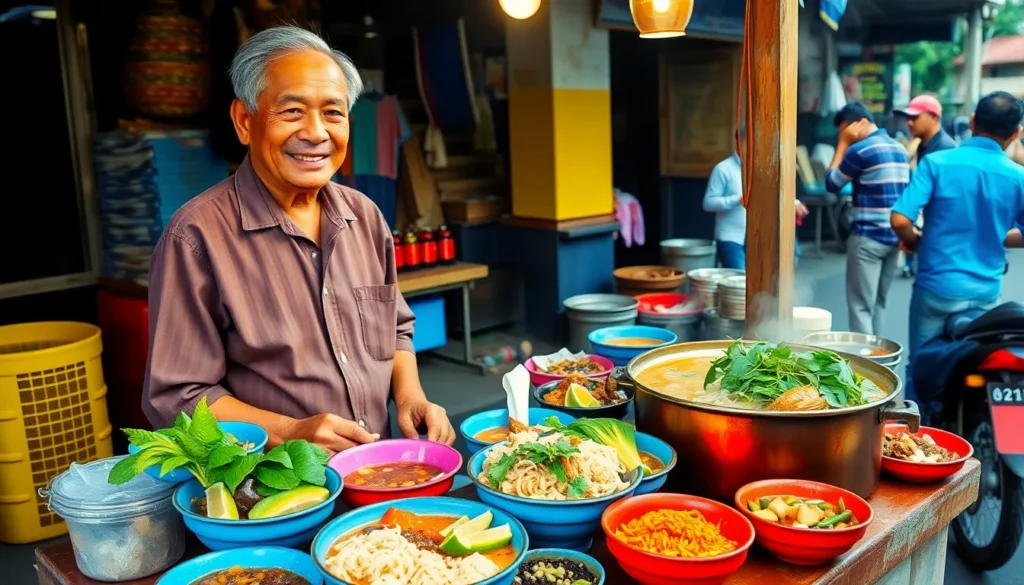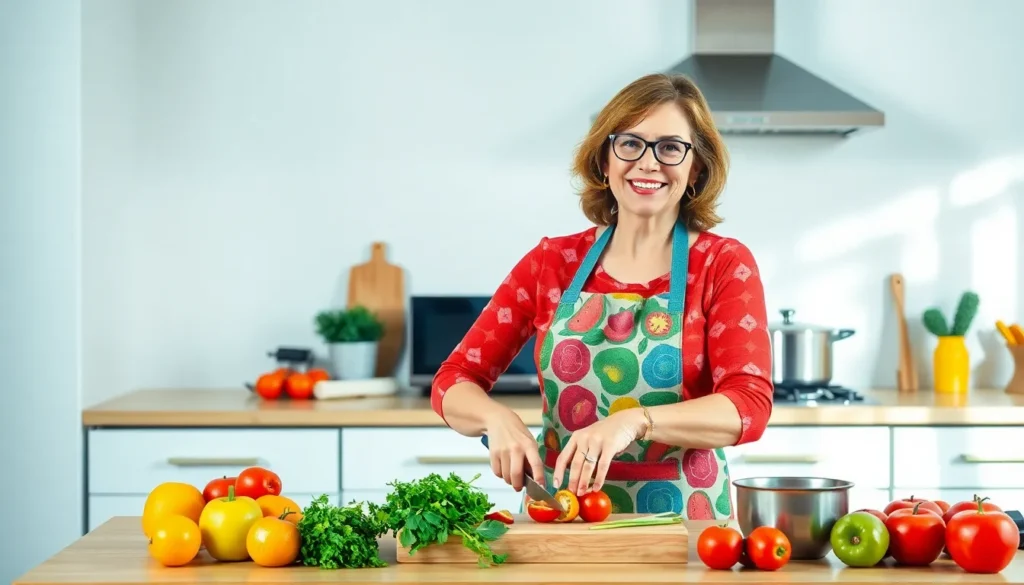
Cooking can feel like a daunting task, especially when faced with a mountain of recipes and a kitchen full of gadgets that look more like medieval torture devices. But fear not! Mastering basic cooking techniques is like learning to ride a bike—once you get the hang of it, you’ll be cruising through meals with style and confidence.
Basic Cooking Techniques Overview
Mastering essential cooking techniques facilitates a smoother culinary experience. Cooking methods such as boiling, sautéing, and roasting serve as foundations for a variety of dishes. Each technique brings unique flavors and textures to food.
Boiling involves cooking food in water or broth at high temperatures. It’s commonly used for pasta, vegetables, and grains. Proper boiling ensures optimal flavor extraction and texture.
Sautéing utilizes small amounts of oil or fat over medium to high heat to cook food quickly. This method enhances the natural flavors of vegetables and proteins, making it ideal for preparing stir-fries and omelets.
Roasting applies dry heat in an oven, allowing for the caramelization of sugars in food. This technique excels with meats and root vegetables, creating rich, complex flavors. Foods roasted at temperatures of 400°F or higher develop crispy exteriors.
Baking transforms batter or dough into a finished product through heat exposure. This technique is essential for bread, pastries, and casseroles. Utilizing precise oven temperatures guarantees optimal texture and taste.
Grilling employs direct heat, often from a gas or charcoal source, for cooking. This method imparts a distinctive smoky flavor while producing appealing grill marks. Grilling meats, vegetables, and fruits adds diverse dish options.
Steaming preserves nutrients by cooking food using steam heat, often achieved in a pot with a lid or a dedicated steamer. This technique suits vegetables, fish, and dumplings, maintaining their natural colors and flavors.
Frying involves cooking food in hot oil, either deep-frying or pan-frying. It creates crispy, flavorful coatings on ingredients like chicken and potatoes. Controlling oil temperature prevents soggy results.
Understanding these basic techniques builds a solid foundation in cooking. Each method allows for creativity and experimentation with flavors and ingredients.
Cutting Techniques
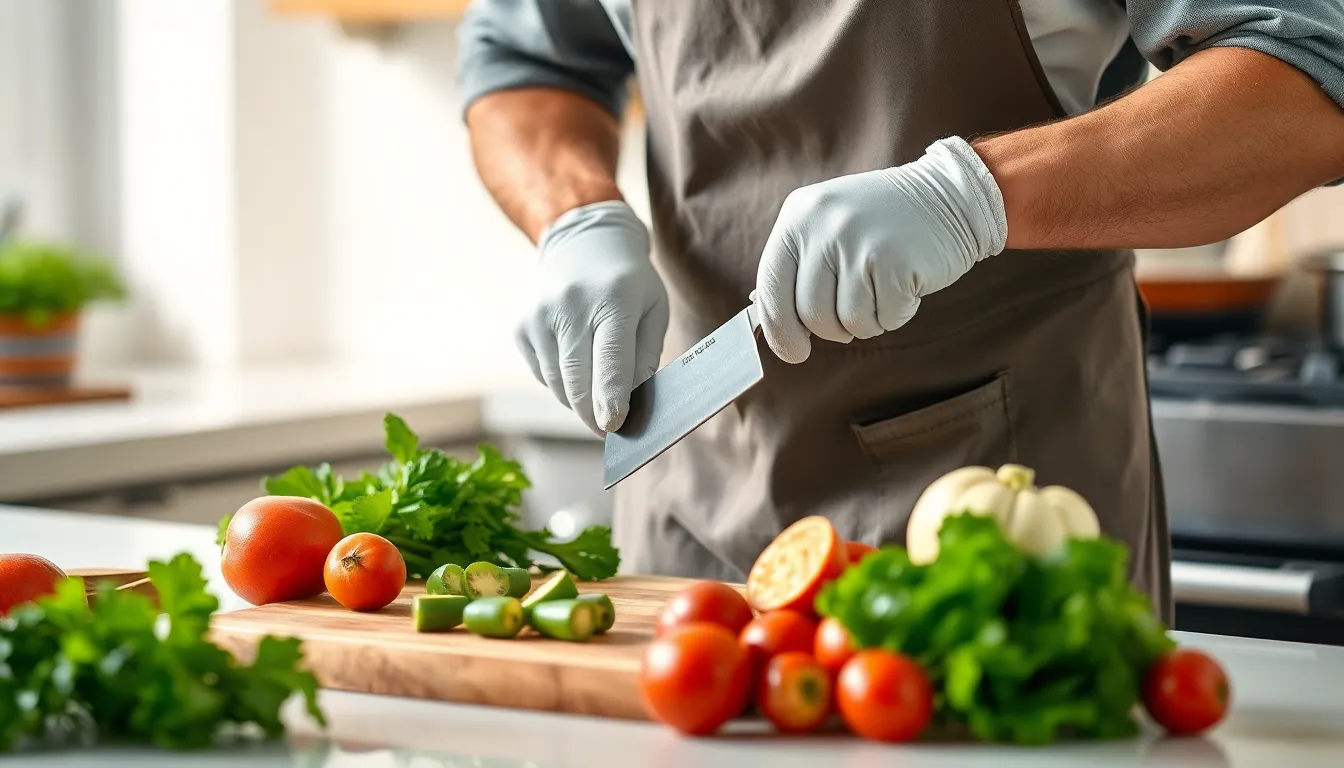
Cutting techniques are essential for effective food preparation. Mastering these skills enhances not only efficiency but also consistency in cooking.
Knife Skills
Knife skills form the backbone of preparation in the kitchen. A sharp knife minimizes the risk of accidents while improving control. Additionally, learning how to hold a knife properly impacts precision. Grip the handle firmly, using fingers to guide ingredients while cutting. Regular practice with varied techniques, like slicing, mincing, and julienne, builds confidence. Familiarity with knife types further aids precision; for instance, a chef’s knife excels at versatile tasks, while a paring knife focuses on detail work.
Dicing and Chopping
Dicing and chopping create uniform pieces, ensuring even cooking. Dicing involves cutting food into small, uniform cubes, ideal for salads or soups. Start by slicing the food lengthwise, then crosswise for even squares. Chopping, on the other hand, entails roughly cutting larger pieces without the uniformity of dicing. This method suits ingredients needing less precision, like herbs and vegetables in stews. Consistency in size enhances both presentation and texture in finished dishes, contributing to a more refined culinary experience.
Cooking Methods
Basic cooking techniques enhance culinary skills and provide versatility in the kitchen. Familiarity with various methods enables creativity and boosts confidence in preparing dishes.
Boiling and Simmering
Boiling involves cooking food in rapidly bubbling water at 212°F (100°C), ideal for pasta or blanched vegetables. Simmering occurs below boiling at temperatures around 185°F to 205°F (85°C to 96°C), allowing flavors to meld without agitation. Soups and sauces benefit greatly from this method, as simmering extracts flavors while tenderizing ingredients. Both techniques require monitoring to avoid overcooking, which can lead to loss of nutrients and texture.
Sautéing and Stir-Frying
Sautéing employs direct heat in a small amount of fat to quickly cook food. This method works well for vegetables, meats, and seafood, producing vibrant colors and preserving natural flavors. Stir-frying, similar in technique, uses high heat and constant motion in a wok or large pan. Smaller pieces of food allow for even cooking and enhanced flavor development. The combination of these methods offers rapid preparation while maintaining nutritional quality.
Baking and Roasting
Baking creates heat evenly throughout an enclosed space, making it essential for bread, pastries, and casseroles. This process results in a light texture and rich flavors. Roasting, on the other hand, utilizes dry heat to caramelize the exterior of meats and vegetables, adding depth to their taste. Both techniques emphasize temperature control, usually ranging from 350°F to 450°F (175°C to 232°C), ensuring proper doneness and flavor enhancement. Mastery of baking and roasting opens a world of delicious possibilities in cooking.
Flavoring Techniques
Flavoring techniques enhance the taste of dishes, elevating meals from ordinary to extraordinary. Effective seasoning and marinating methods play crucial roles in achieving this goal.
Seasoning and Marinating
Seasoning involves adding salt, pepper, and other ingredients to enhance the natural flavors of food. It’s key to balance, so understanding the right amounts makes a significant difference. Marinating, on the other hand, allows proteins to absorb flavors over time. Common marinades include oil, acid like vinegar or lemon juice, and various herbs or spices. When marinating meat, 30 minutes to overnight yields the best results. This method not only boosts flavor but also tenderizes proteins, making them more enjoyable.
Herbs and Spices
Herbs and spices provide depth and complexity to dishes. Fresh herbs, such as basil, cilantro, and parsley, contribute distinctive flavors and vibrant colors. Dried spices like cumin, paprika, and cinnamon introduce a range of aromas and heat levels. Utilizing a combination of fresh and dried varieties ensures a well-rounded flavor profile. For optimal freshness, adding herbs towards the end of cooking retains their distinct flavors, while spices benefit from early incorporation to develop richness. The right blend of herbs and spices transforms simple ingredients into culinary masterpieces.
Mastering basic cooking techniques empowers anyone to navigate the kitchen with confidence. By understanding methods like boiling sautéing and roasting, individuals can create a wide range of delicious dishes. The importance of knife skills and consistent cutting techniques cannot be overstated as they enhance both efficiency and presentation.
Flavoring techniques such as seasoning and marinating elevate meals to new heights. With practice and creativity, the kitchen transforms from a daunting space into a realm of culinary exploration. Embracing these foundational skills not only simplifies cooking but also opens doors to endless possibilities. So whether it’s a weeknight dinner or a special occasion, the joy of cooking becomes accessible to all.