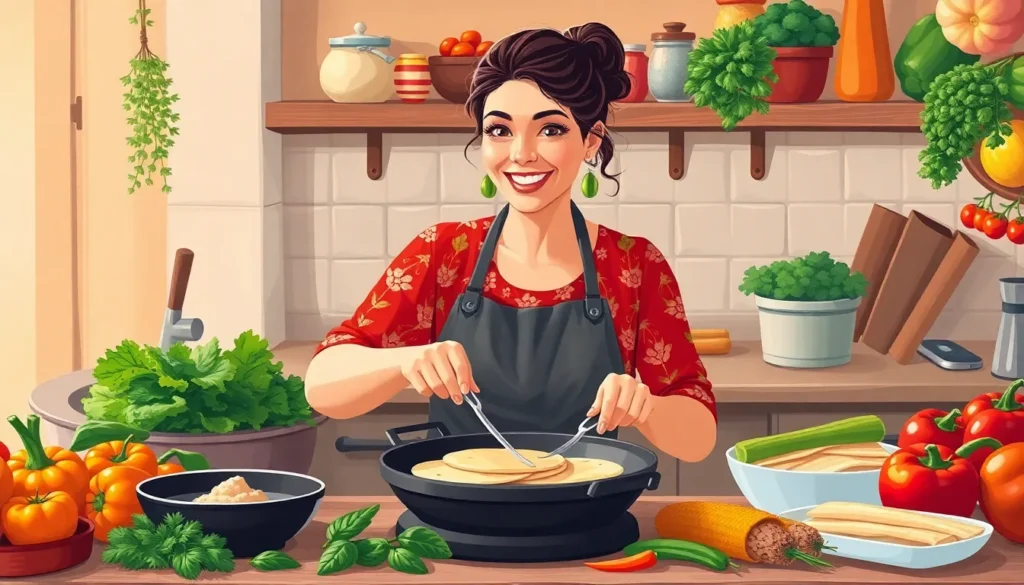
Mexican cooking isn’t just about tacos and guacamole; it’s a vibrant tapestry woven with techniques passed down through generations. From the sizzling sound of a hot comal to the rhythmic grinding of spices in a molcajete, these methods are the heartbeat of every delicious dish. If you think you can whip up a mean burrito without knowing the secrets behind charring your tortillas or properly steeping your chilies, think again!
Overview of Mexican Cooking Techniques
Mexican cooking techniques reflect a deep cultural heritage. The comal plays a crucial role in charring tortillas, enriching their flavor. Various methods enhance dish authenticity and taste, such as using a molcajete to grind spices, whose rough surface brings out natural oils and flavors.
Roasting ingredients deepens their flavors, often done with tomatoes, garlic, or peppers. Smoking adds complexity, and techniques involve the use of traditional equipment like the olla de barro, enhancing stews and soups.
Sautéing remains popular in many recipes, where oils, fats, and spices combine to create bold flavors. Steaming foods with masa creates tamales, while boiling offers a method for making soups and stocks. Braising tenderizes meats and allows flavors to meld over time.
Grilling meats and vegetables brings a distinctive smokiness, an essential characteristic of many classic dishes. Baking often occurs in clay ovens, imparting a unique taste to items like bread and pastries. Frying, whether shallow or deep, delivers crispy textures to dishes like churros and tacos dorados.
Workers employed these methods for generations, passing down skills that define traditional cooking. Mastering these techniques leads to authentic Mexican cuisine, rewarding cooks with rich flavors and textures. Exploring these practices provides insight into the culinary landscape of Mexico, showcasing a celebration of vibrant ingredients and techniques.
Key Ingredients in Mexican Cooking
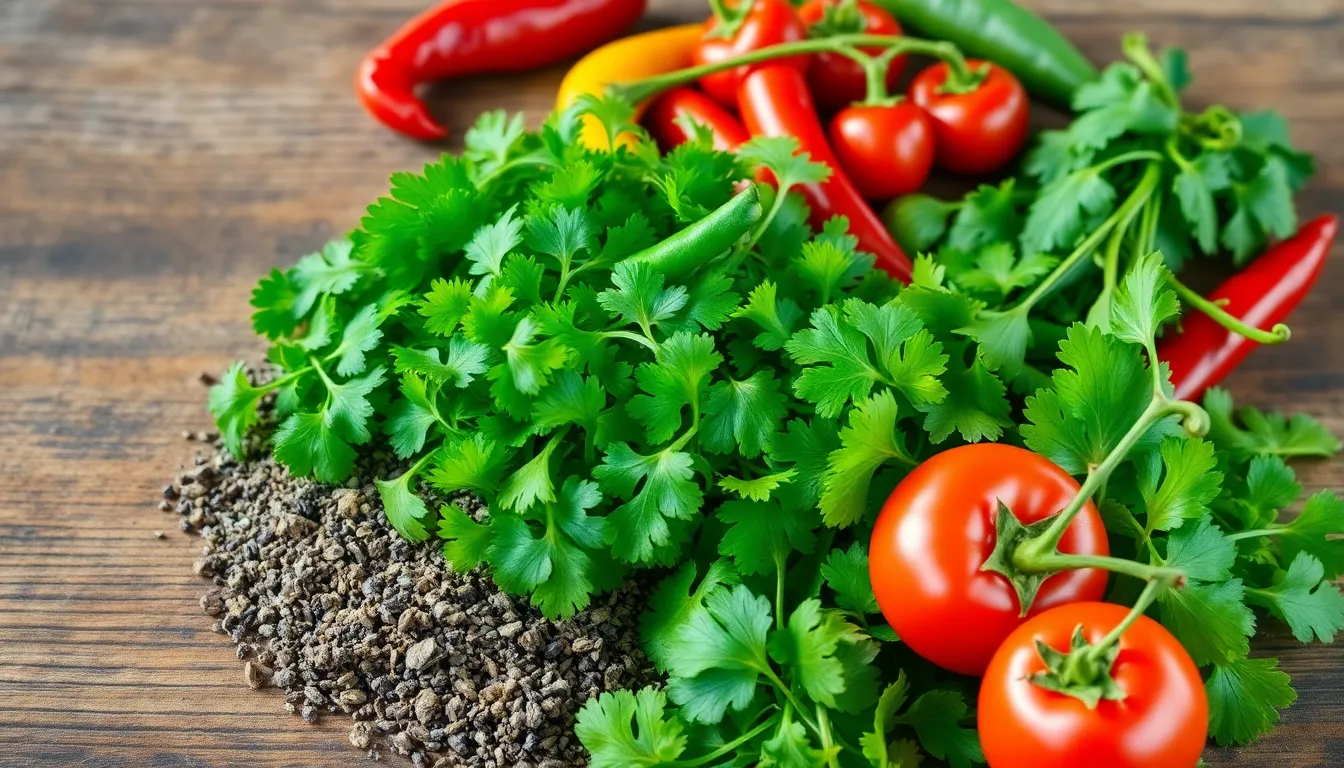
Mexican cuisine relies on a vibrant array of ingredients that provide depth and flavor. Understanding these essential components enhances the authenticity of recipes.
Fresh Herbs and Spices
Fresh herbs and spices play a crucial role in Mexican cooking. Cilantro adds brightness to many dishes, while oregano provides a warm, earthy note. Cumin introduces a distinctive flavor, often found in salsas and marinades. Additionally, chili peppers contribute varying heat levels, with varieties like jalapeño and serrano being popular choices. Garlic serves as a foundational ingredient, enriching everything from sauces to stews. These fresh elements elevate flavors and create layers in traditional recipes.
Staples and Staples
Staples form the backbone of Mexican cuisine. Corn, in its many forms, is essential. Tortillas and tamales showcase corn’s versatility, reflecting its cultural significance. Beans act as a key source of protein, often featured in dishes like frijoles charros and refried beans. Rice complements many meals, providing a hearty base. Tomatoes, whether fresh or roasted, add necessary acidity and sweetness. Incorporating these staples into cooking ensures authenticity and nutritional balance, vital for crafting genuine Mexican meals.
Traditional Mexican Cooking Techniques
Traditional cooking methods play a crucial role in creating authentic Mexican dishes. The deep cultural heritage of Mexico is reflected in these beloved techniques.
Comal: The Essential Cooking Surface
A comal serves as an essential cooking surface in Mexican kitchens. This flat griddle, often made from clay or cast iron, is ideal for toasting tortillas. Using a comal helps achieve a characteristic char that adds flavor. Chefs rely on this tool not only for tortillas but also for roasting spices and vegetables. Achieving the right temperature is key, allowing ingredients to develop their unique taste without losing moisture. The versatility of the comal makes it a staple in traditional Mexican cooking.
Nixtamalization: A Unique Process
Nixtamalization transforms corn into masa for various dishes. This process involves soaking and cooking corn in an alkaline solution, usually lime water. By doing this, nutrients become more accessible, and flavors intensify. This technique enhances the corn’s texture, making it easier to grind into masa for tortillas and tamales. Nixtamalized corn boasts improved flavor and aroma compared to untreated corn. Mastering nixtamalization contributes to the authenticity of Mexican cuisine.
Slow Cooking: The Heart of Flavor
Slow cooking brings out rich, complex flavors in traditional Mexican dishes. Many recipes benefit from cooking meats and vegetables over low heat for extended periods. This method allows ingredients to meld, developing depth in flavor. Stews, such as pozole and birria, often rely on slow cooking for tender textures and robust taste. Chefs frequently use olla de barro, traditional clay pots, to enhance the cooking process. Using these pots aids in heat retention and moisture control, further enriching the final dish.
Modern Adaptations in Mexican Cooking
Modern Mexican cooking reflects a blend of tradition and contemporary flair. Chefs incorporate diverse influences, creating unique flavor profiles and dishes that surprise and delight.
Fusion and Innovation
Fusion cuisine highlights the creativity within modern Mexican cooking. Influences from Asian, Mediterranean, and American cuisines merge to create dishes like Korean barbecue tacos and Mediterranean-inspired enchiladas. Chefs experiment with unconventional ingredients, such as avocado oil and quinoa, while maintaining core flavors from traditional recipes. This innovative approach respects culinary roots yet embraces new trends, appealing to a broader audience.
Contemporary Techniques
Contemporary techniques elevate the preparation and presentation of Mexican dishes. Sous-vide cooking allows precise temperature control, enhancing texture and flavor in meats like carne asada. Additionally, molecular gastronomy introduces unexpected elements, such as spherified sauces or foams, to classic dishes. Embracing technology, chefs utilize tools like blowtorches for caramelizing or dehydrators for concentrating flavors. Such methods blend age-old traditions with cutting-edge practices, creating modern presentations that intrigue diners.
Exploring Mexican cooking techniques reveals a vibrant culinary landscape that combines tradition with innovation. Mastering these methods not only enhances the authenticity of dishes but also deepens appreciation for the rich cultural heritage behind them. From the smoky flavors achieved through roasting and smoking to the intricate processes like nixtamalization, each technique plays a vital role in creating memorable meals.
As modern influences blend with age-old practices, the evolution of Mexican cuisine continues to captivate food lovers around the world. Embracing both traditional and contemporary methods allows for a diverse culinary experience that celebrates the bold flavors and textures unique to Mexican cooking. Whether one is a seasoned chef or a curious home cook, there’s always something new to discover in this dynamic kitchen.